What Is Paint Correction? Complete Guide To Restoring Car Paint
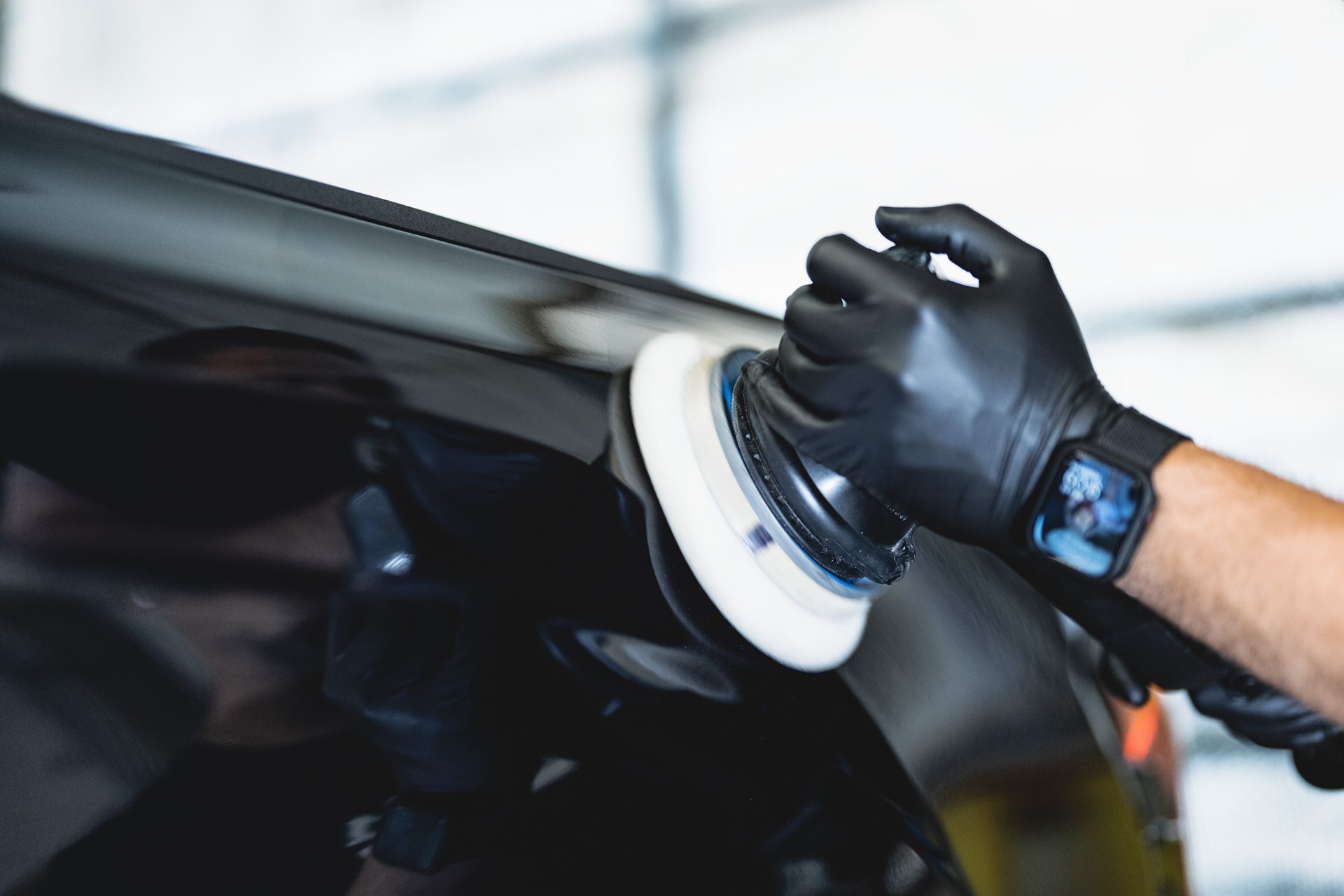
Paint correction is the process of removing surface defects from a vehicle’s clear coat using machine polishing, restoring gloss, clarity, and reflection. If you're searching for “what is paint correction”, you're likely dealing with swirl marks, scratches, or dull paint that takes away from your vehicle’s appearance.
At Apex Ceramic Coatings And PPF, drivers in Phenix City, AL, and Columbus, GA trust expert paint correction to enhance appearance, protect their investment, and boost resale value. This guide explains how the process works, what results to expect, and how to maintain them.
Key Takeaways
- Paint correction removes swirl marks, scratches, oxidation, and etching
- Results range from light polishing to multi-stage correction
- Can increase resale value by 5%–10%
- Best protected with ceramic coating, sealant, or wax
- Proper maintenance extends results for months or years
What Is Paint Correction?
Paint correction is the process of machine polishing a vehicle’s clear coat to eliminate imperfections, not just hide them. Unlike wax or fillers, this process:
- Permanently removes defects
- Removes a thin layer of clear coat (typically 1–5 microns) to level the surface
- Enhances light reflection and gloss
Because most defects exist within the clear coat layer, paint correction restores appearance by leveling the surface so light reflects evenly.
The result is a smoother, clearer, and more reflective finish.
How Paint Correction Works
Paint correction follows a structured process to safely restore your vehicle’s finish:
1. Paint Inspection
Technicians evaluate:
- Swirl marks and scratches
- Paint thickness (microns)
- Overall condition under LED lighting
Measuring paint thickness is critical to avoid removing too much clear coat during correction.
2. Decontamination
- Clay bar removes bonded contaminants
- Iron removers dissolve embedded particles
This step ensures no debris interferes with polishing, which could otherwise create additional scratches.
3. Compounding
- Removes deeper scratches and heavy defects
- Uses cutting compounds and pads
Compounding removes measurable, clear coat thickness, which is why proper technique and paint measurement are essential.
4. Polishing
- Refines the finish
- Restores clarity and gloss
Polishing eliminates micro-marring left by compounding and improves reflectivity by smoothing the paint surface.
5. Protection
- Ceramic coating, sealant, or wax applied
- Prevents future damage
Without protection, corrected paint can quickly develop new swirl marks and oxidation.
Levels Of Paint Correction
Not all vehicles need the same level of correction. Understanding the levels helps set realistic expectations.
Level 1: Light Correction
- Removes light swirl marks
- Ideal for newer vehicles
- Minimal clear coat removal
Level 2: Medium Correction (Most Popular)
- Fixes moderate scratches and oxidation
- Multi-step polishing process
Level 3: Heavy Correction
- Includes wet sanding if needed
- Targets severe paint damage
Higher levels require more time, increase cost, and remove more clear coat, making proper assessment essential.
Common Paint Defects That Can Be Fixed
- Swirl marks (from improper washing)
- Light scratches (clear coat level)
- Oxidation (UV damage)
- Water spots & etching (acidic contaminants)
Paint correction cannot fix deep scratches that go beyond the clear coat into the base layer.
Benefits Of Paint Correction
Paint correction offers both visual and long-term value for your vehicle:
- Improved Appearance: Restores deep gloss, enhances reflections, and brings back original paint clarity
- Higher Resale Value: Well-maintained paint can increase resale value by 5%–10% in many cases
- Extended Paint Lifespan: Removes contaminants and prepares the surface for protective coatings
- Better Protection Readiness: Creates a clean foundation for wax, sealant, or ceramic coating
- More Consistent Finish: Eliminates uneven light reflection caused by swirls and scratches
By leveling the clear coat, paint correction improves how light reflects, which is what creates a glossy, mirror-like finish.
How Much Does Paint Correction Cost?
The cost of paint correction varies depending on the condition of the vehicle, the level of correction required, and the size of the car. Light polishing is generally more affordable, while multi-step correction and heavy restoration take more time and increase the cost.
| Service Type | Time | Price Range |
|---|---|---|
| Light Polish | 1–3 hours | $150–$400 |
| Multi-Step Correction | 4–10 hours | $400–$1,200 |
| Heavy Correction | 8+ hours | $800–$2,000+ |
Vehicles with severe defects require more aggressive correction, increasing both labor time and cost.
DIY Vs. Professional Paint Correction
Choosing between DIY and professional paint correction depends on your budget, experience level, and the condition of your vehicle’s paint.
| Factor | DIY Paint Correction | Professional Paint Correction |
|---|---|---|
| Cost | Lower upfront cost, but tools can range from $200 to $800 | Higher cost depending on service level |
| Skill Level | Requires learning and practice | Performed by trained technicians |
| Risk | Higher risk of damaging the clear coat | Low risk with proper techniques and tools |
| Results | Suitable for light defects only | More consistent and higher-quality results |
| Time | Time-consuming, especially for beginners | Faster and more efficient |
| Equipment | Limited to consumer-grade tools | Access to professional-grade machines and products |
Pro tip: DIY correction is suitable for minor defects, but improper technique can remove too much clear coat or create additional damage.
How Long Does Paint Correction Last?
Results can last:
- 6–12 months with basic protection
- 2–5 years with ceramic coating
Without proper protection and washing techniques, new swirl marks can appear within weeks.
Longevity depends on:
- Washing technique
- Environmental exposure
- Maintenance routine
Aftercare And Maintenance
Proper aftercare is essential to maintain the results of paint correction and prevent new defects from forming.
- Wash every 1–2 weeks
- Use pH-neutral shampoo
- Avoid automatic car washes
- Apply ceramic coating or sealant
- Decontaminate every 6–12 months
Proper maintenance can extend results by years and reduce the need for future correction.
How To Choose The Right Paint Correction Service
Selecting the right provider ensures safe correction and high-quality results.
Look for:
- Proven experience and portfolio
- Before-and-after photos
- Paint thickness measurement tools
- Transparent pricing
- High-quality products
Avoid:
- Extremely cheap services
- No inspection process
- Lack of proper lighting
A proper inspection and test spot are critical before committing to full correction.
Need Professional Paint Correction In Phenix City Or Columbus?
If your car has swirl marks, oxidation, or dull paint, paint correction is required before applying any protective coating for optimal results.
Apex Ceramic Coatings And PPF delivers expert paint correction services in Phenix City, AL, and Columbus, GA, to restore your vehicle’s gloss, remove defects, and protect long-term value.
Contact us today to request a quote, schedule an inspection, or see a test spot before committing to a full correction service.
Frequently Asked Questions
Does paint correction remove water spots?
Paint correction can remove most water spots if they haven’t etched too deeply into the clear coat. Severe etching may require more aggressive polishing or wet sanding.
Will paint correction fix faded or dull paint?
Yes, paint correction can significantly improve faded or dull paint by removing oxidation and restoring clarity and gloss.
How often should you get paint correction?
Most vehicles only need paint correction once every few years, depending on how well the paint is maintained and protected.
Is paint correction worth it before selling a car?
Yes, paint correction can improve your car’s appearance and help increase resale value, making it more attractive to buyers.
Can paint correction be done on ceramic-coated cars?
Yes, but the ceramic coating will need to be removed first before performing paint correction, then reapplied afterward for protection.